Shipping cost optimization isn’t about freight; it’s stopping profit leaks hiding in duties, delays, and contracts.
One wrong Incoterm or bad paperwork can quickly stack fees and stall your delivery.
Huajia Yi Logistics managers state 2025 briefings disciplined routing and classification control cut avoidable costs before negotiation begins.
Harmony Notes: Shipping Cost Optimization
➔ Incoterm Strategy: Select FOB, CIF or DDP to shift carriage, duties and insurance costs for clear landed-cost visibility.
➔ Tariff Tactics: Use accurate HS codes and leverage trade agreements to slash customs duties and avoid disputes.
➔ Consolidation & Routing: Combine orders via FCL/LCL, cross-dock at transit hubs and optimize lanes to lower per-unit freight spend.
➔ Automation & Compliance: Automate bills of lading, commercial invoices and declarations to speed clearance, cut errors and eliminate storage fees.
Incoterms Explained For Cost Control

Getting a grip on shipping cost optimization isn’t just math—it’s picking the right Incoterms so costs don’t sneak up later. This quick guide breaks down how choices like FOB, CIF, and DDP shape your freight spend, duties, and insurance in real-world logistics.
How FOB, CIF, and DDP Impact Your Total Freight Spend
-
FOB
-
Buyer handles main transportation and risk after port loading
-
Clear control over shipping cost but requires coordination
-
-
CIF
-
Seller covers ocean freight + minimum cargo insurance
-
Less upfront planning, but hidden shipping costs can creep in
-
-
DDP
-
Seller manages everything, including duties and delivery
-
High visibility on total freight spend, low flexibility
-
1) Cost control layers
-
Origin charges
-
Main carriage
-
Destination fees
With Huajia Yi Logistics, many shippers lean toward hybrid strategies—using FOB for cost optimization on stable lanes, while reserving DDP for high-risk markets where predictability beats savings.
Choosing the Right Incoterm to Shift Customs Duties
-
Duty responsibility flow
-
EXW → buyer-heavy import taxes
-
DAP → shared risk allocation
-
DDP → seller absorbs all customs duties
-
- Quick comparison:
| Incoterm | Duty Payment | Importer Responsibility |
|---|---|---|
| EXW | Buyer | High |
| DAP | Buyer | Medium |
| DDP | Seller | Low |
Smart shipping optimization often means shifting duty burden where tax structures are favorable. Huajia Yi Logistics helps map this against real tariff schedules so freight cost optimization isn’t just guesswork.
Incoterms and Cargo Insurance: Minimizing Unexpected Costs
-
CIF includes baseline insurance coverage, but it’s limited
-
Under FOB or EXW, buyers must secure protection
• Risk checkpoints
◦ Port handling damage
◦ Inland transit delays
◦ Claims complexity tied to liability transfer
Multi-step approach to tighter shipping cost optimization:
-
Match Incoterms rules with actual risk exposure
-
Upgrade insurance beyond minimums where cargo value is high
-
Align claims processes with carriers
Short take: skipping proper coverage to save a bit on shipping cost often backfires. Teams working with Huajia Yi Logistics usually bundle insurance into broader cost optimization plans, reducing surprise losses while keeping budgets steady.
High Tariffs? Shipping Cost Optimization Tricks

Shipping fees can sneak up fast, especially when tariffs stack on top. Getting shipping cost optimization right isn’t just about cheaper freight; it’s about smarter decisions across classification, routing, and paperwork. Break things down, tune each step, and your overall shipping cost drops without cutting corners or risking compliance.
Classify Products Accurately with HS Codes
-
shipping cost optimization starts with getting HS codes right.
-
Mislabel a product, and customs duties jump instantly.
-
Accurate product classification keeps audits off your back.
-
Identify the correct Harmonized System entry
-
Match specs with commodity codes
-
Validate against import regulations
Think of classification as the foundation. A small error here spreads across the entire shipping cost plan. Teams working with Huajia Yi Logistics often map goods to tariff codes early, then cross-check with destination rules. That keeps shipping cost optimization steady and predictable.
Leverage Trade Agreements to Reduce Tariffs
Short bursts of savings often come from trade agreements.
-
Free trade agreements cut import duties
-
Meeting rules of origin unlocks preferential treatment
Shipping cost optimization improves when origin documents are clean and ready. Miss one certificate, and the whole benefit disappears. Smart operators bake this into their shipping cost planning early.
Streamline Customs Brokerage for Faster Clearance
Delays hurt. Storage fees hurt more.
• Clean import documentation
• Reliable customs brokerage
• Experienced customs agents
-
Step 1: Prepare export documentation correctly
-
Step 2: Align with regulatory compliance
-
Step 3: Pre-clear when possible
Huajia Yi Logistics keeps paperwork tight, which trims clearance time and protects your shipping cost from surprise charges.
Route Optimization via Low-Duty Transit Hubs
Routing isn’t just distance—it’s duty exposure.
-
Choose transit hubs in low-duty zones
-
Use flexible logistics networks
-
Plan transshipment strategically
-
Map current route
-
Compare duty impact by region
-
Shift through optimized distribution centers
Shipping cost optimization thrives on these adjustments. A slightly longer path can cost less overall when tariffs drop. Keep testing routes, keep refining, and the savings stack quietly over time.
FCL Vs. LCL: Shipping Cost Optimization
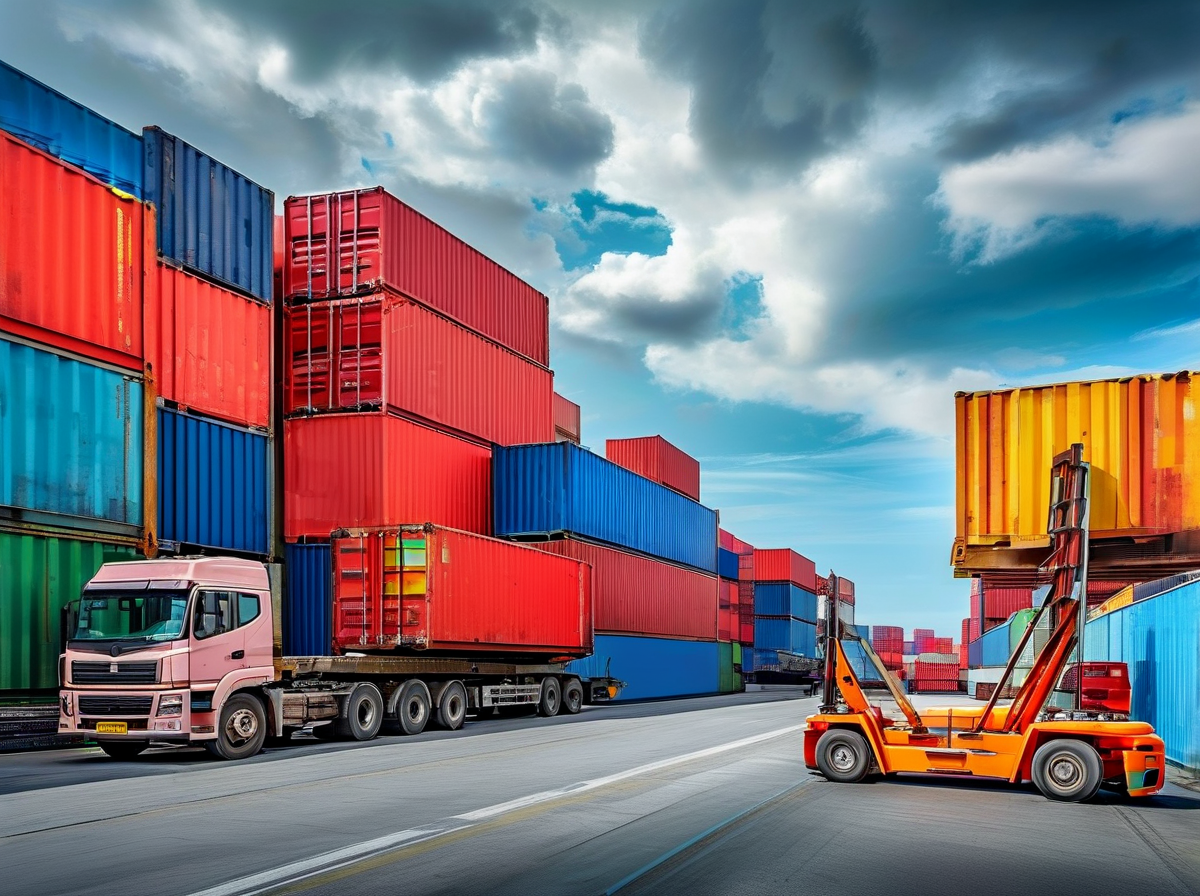
Picking between FCL and LCL isn’t just logistics jargon—it’s where real shipping cost optimization happens. Cost, speed, and risk all shift depending on your cargo size and timing, so getting this choice right can seriously tighten your shipping cost and overall spend.
Full Container Load (FCL)
When volume climbs, FCL starts to look like a no-brainer for shipping cost optimization, especially if your shipment can fill most of a container. The math gets better, and the process gets smoother.
-
Cost efficiency logic
-
Per-unit advantage
-
Full capacity usage lowers cost per item
-
Fewer shared fees compared to split loads
-
-
Operational savings
- Direct transit cuts warehousing and handling charges
-
-
Movement flow
-
Shipper loads goods at origin
-
Container stays sealed during transit
-
Delivered directly to consignee
-
-
Risk profile
-
Minimal handling reduces damage exposure
-
No mixing with other shipment cargo
-
Working with Huajia Yi Logistics, businesses often shift to FCL once volume stabilizes, since fewer touchpoints mean tighter control over both timelines and shipping cost optimization outcomes.
Less than Container Load (LCL)
LCL plays a different game. It’s built for flexibility, not scale, making it useful when cargo volume doesn’t justify a full container.
-
Quick snapshot:
-
Shared cargo space lowers upfront cost
-
Multiple shippers split container expenses
-
Ideal for irregular or small shipment sizes
-
But here’s where shipping cost optimization gets tricky. Consolidation adds layers:
-
Goods move to a consolidation hub
-
Combined with other shippers’ freight
-
Undergo transshipment before final delivery
Each step introduces handling fees and time delays. While initial pricing feels lighter, total cost can creep up.
A practical mix often works best. Many clients at Huajia Yi Logistics balance FCL for steady high volume routes and LCL for overflow or testing new markets, keeping shipping cost optimization flexible without overcommitting capacity.
4 Ways To Achieve Shipping Cost Optimization

Shipping cost optimization isn’t some abstract ops talk—it’s how you stop bleeding cash on every shipment. By tuning carrier choice, tightening logistics flows, and cleaning up paperwork, you push real savings while keeping service levels steady and predictable.
Carrier Selection: Balancing Ocean Freight and Air Freight Rates
Shipping cost optimization starts with picking the right carrier and mode. Ocean freight is cheaper per unit, but transit time stretches; air moves fast but costs more. The trick is matching service level to demand.
-
Cost vs speed trade:
-
Ocean mode: low rate, longer transit time
-
Air mode: high rate, short transit time
-
-
Reliability matters:
-
On-time % by carrier
-
Route stability across freight lanes
-
-
Practical blend:
1) Urgent SKUs → air
2) Bulk replenishment → ocean
3) Split orders to balance shipping cost optimization
Load Consolidation through Strategic Warehousing
Cut shipping costs by smarter consolidation. A well-placed warehouse turns scattered shipment flows into fuller loads, reducing per-unit logistics spend.
Short takes:
-
Combine LCL into FCL when volume allows
-
Use storage buffers to time departures
-
Sync distribution with inventory cycles
Flow:
1) Receive inbound goods →
2) Stage in warehouse →
3) Consolidate by destination →
4) Dispatch optimized loads → better shipping cost optimization
Network Design: Aligning Ports of Loading and Discharge
A clean network trims miles and delays. Choose the right port of loading and discharge based on geography, not habit.
-
Core alignment:
-
Trade lane fit → route efficiency
-
Inland cost → rail vs truck from terminal
-
-
Nested choices:
1) Origin side
-
Nearest export port
-
Vessel frequency and cut-off times
2) Destination side
-
Port congestion levels
-
Drayage distance from terminal
3) Continuous tuning
-
Shift route when rates spike
-
Rebalance network for shipping cost optimization
-
Documentation Automation with Bill of Lading and Commercial Invoice
Messy documentation quietly inflates cost. Automating Bill of Lading and Commercial Invoice reduces errors and speeds customs.
Quick wins:
-
Auto-generate documents from order data
-
Validate HS codes for compliance
-
Push digitalization across brokers and carriers
Sequence:
1) Create digital docs →
2) Run validation rules →
3) Submit to customs early →
4) Clear faster, avoid holds → steady shipping cost optimization
Cross-Dock Fulfillment For Cost Efficiency
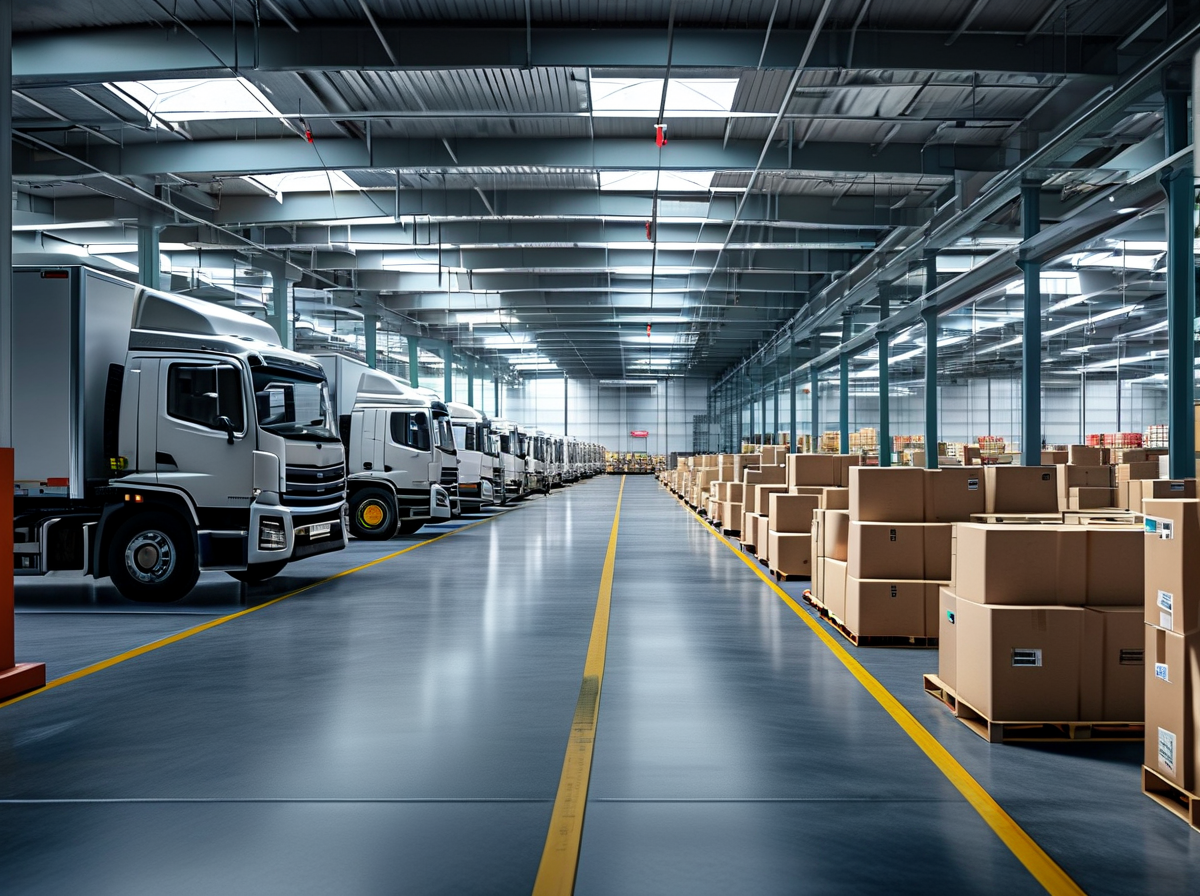
Fast-moving freight doesn’t wait around, and neither should your margins. Cross-docking tightens shipping cost optimization, trims idle time, and keeps goods flowing. With the right setup, shipping cost optimization turns from theory into daily savings—simple moves, real impact.
Multimodal Transport Integration at Inland Depots
-
• Align transport modes to reduce handoff delays
-
• Sync intermodal logistics with depot scheduling
-
• Use route optimization for tighter freight movement
-
Map inbound lanes to inland terminals
-
Assign outbound capacity within the same logistics network
-
Execute an integration strategy inside live depot operations
Nested flow:
-
Rail intake
-
Validate cargo at gate
-
Push to cross-dock lane
-
-
Road dispatch
-
Match truck slots
-
Load by priority
-
A tighter mesh of rail, road, and port links keeps shipping cost optimization consistent. Huajia Yi Logistics applies this blend so shipping cost optimization isn’t a one-off win but a repeatable system. Short hops, fewer stops, better rates—clean and practical.
Real-Time Inventory Management for Zero Storage Fees
-
◦ Live inventory visibility cuts idle stock
-
◦ Real-time tracking drives instant stock flow
Process:
-
Scan inbound
-
Auto-assign outbound
-
Trigger dock transfer
Micro-segments: quick scan, instant match, zero wait. That’s cross-docking with tight inventory control and sharp throughput optimization. Storage avoidance keeps shipping cost optimization steady across cycles.
| Metric | Before | After | Impact | Note |
|---|---|---|---|---|
| Dwell Time (hrs) | 18 | 4 | -78% | Faster turns |
| Handling Cost ($/unit) | 2.4 | 1.6 | -33% | Fewer touches |
| Storage Days | 2.1 | 0.2 | -90% | Near-zero |
| On-Time Dispatch (%) | 88 | 97 | +9 pts | Stable flow |
| Error Rate (%) | 1.9 | 0.7 | -63% | Better scans |
Huajia Yi Logistics wires systems so shipping cost optimization stays visible, not guessed.
Consolidation Hubs: Streamlining from Freight Forwarder to Consignee
-
• Consolidation centers merge loads
-
• Shipment aggregation boosts fill rates
-
• Clean cargo handling cuts rework
Sequence:
-
Intake from freight forwarding partners
-
Sort at distribution hubs
-
Direct to consignee delivery
Nested coordination:
-
Upstream
-
Booking alignment
-
Label standardization
-
-
Midstream
-
Dock zoning
-
Load sequencing
-
-
Downstream
-
Route batching
-
Proof of delivery
-
Short takes: fewer splits, tighter loads, quicker exits. That’s how supply chain flow sharpens and logistics streamlining pays off. With Huajia Yi Logistics, shipping cost optimization becomes routine—right loads, right lanes, right time.